Medical Disclaimer
This content is for informational purposes only and should not be considered medical advice or diagnosis. Please consult with a healthcare professional for medical advice, diagnosis, or treatment recommendations.

Bone Density and Osteoporosis Prevention: A Guide for Women's Health
As women transition through their fifties and beyond, maintaining physical strength and mobility becomes a top priority. While we often focus on cardiovascular health and muscle tone, there is a silent, structural foundation that requires our immediate attention: our bones. Understanding bone density and actively working to prevent osteoporosis is one of the most empowering steps you can take for your long-term health and independence.
What is Bone Density and Why Does it Matter?
Bone density refers to the amount of bone mineral in bone tissue. Think of your bones as a bank account where you "deposit" and "withdraw" bone tissue. During our younger years, we deposit more than we withdraw, reaching peak bone mass around age 30. However, as we age, the balance shifts, and we begin to lose bone mass faster than we can rebuild it.
For women, this process accelerates dramatically during and after menopause due to the sharp decline in estrogen—a hormone that plays a vital role in protecting bone strength. When bone density drops significantly, it leads to osteopenia (low bone mass) and eventually osteoporosis, a condition where bones become fragile, porous, and highly susceptible to fractures. A simple fall or even a minor bump can result in a broken hip, wrist, or spine, severely impacting mobility and quality of life.
Understanding Your Risk Factors
While aging and being female are the primary risk factors for osteoporosis, several other elements can increase your vulnerability: * **Hormonal Changes:** The drop in estrogen during menopause is the leading cause of rapid bone loss in women. * **Family History:** Genetics play a significant role. If your mother or grandmother suffered from osteoporosis or a hip fracture, your risk is elevated. * **Body Frame Size:** Women with small, thin body frames are at higher risk because they have less bone mass to draw from as they age. * **Lifestyle Factors:** A sedentary lifestyle, smoking, excessive alcohol consumption, and a diet low in calcium and vitamin D all contribute to weakened bones. * **Certain Medications:** Long-term use of corticosteroids and some other medications can interfere with the bone-rebuilding process.
Evidence-Based Prevention Strategies
The good news is that osteoporosis is not an inevitable part of aging. You have significant power to protect and even improve your bone health through targeted lifestyle choices:
1. Prioritize Calcium and Vitamin D
Calcium is the primary building block of bone, but your body cannot absorb it without adequate Vitamin D. Women over 50 should aim for 1,200 milligrams of calcium daily, ideally from food sources like dairy products, leafy green vegetables (kale, broccoli), almonds, and fortified plant milks. For Vitamin D, aim for 800 to 1,000 IU daily. Since it is difficult to get enough Vitamin D from food alone, sensible sun exposure and high-quality supplements are often necessary.
2. Engage in Weight-Bearing Exercise
Just as muscles grow stronger when challenged, bones respond to physical stress by building more density. Weight-bearing exercises—activities that force you to work against gravity—are essential. This includes brisk walking, dancing, hiking, and climbing stairs.
Equally important is resistance training. Lifting weights or using resistance bands stimulates the bone-building cells (osteoblasts). Aim for at least two to three strength-training sessions per week, focusing on major muscle groups.
3. Adopt Bone-Healthy Lifestyle Habits
Protecting your bones also means eliminating habits that actively harm them. If you smoke, seek support to quit, as smoking is directly linked to decreased bone density. Limit alcohol consumption to no more than one drink per day, as excessive alcohol interferes with the balance of calcium in the body. Additionally, ensure you are eating a well-rounded diet rich in protein, magnesium, and Vitamin K, all of which support bone structure.
When to Get Screened
Osteoporosis is often called a "silent disease" because you cannot feel your bones weakening. The only way to accurately measure bone density is through a DEXA (Dual-Energy X-ray Absorptiometry) scan.
The National Osteoporosis Foundation recommends a baseline DEXA scan for all women at age 65. However, if you have specific risk factors—such as a family history, early menopause, or a history of fractures—you should discuss earlier screening with your healthcare provider.
Taking Charge of Your Structural Health
Your bones are the scaffolding that supports your vibrant, active life. By understanding your risks, nourishing your body with the right nutrients, and committing to weight-bearing exercise, you can build a resilient foundation that will carry you beautifully through the decades ahead. Do not wait for a fracture to start caring for your bones; start your prevention strategy today.
Community Thoughts
Share your gratitude or thoughts
Join the conversation and let us know how this post resonated with you.
No comments yet. Be the first to share your thoughts!
Ready to start your transformation?
Join our community of women over 50 who are reclaiming their health, building strength, and proving that anything is possible with commitment and persistence.
More insights to inspire your journey
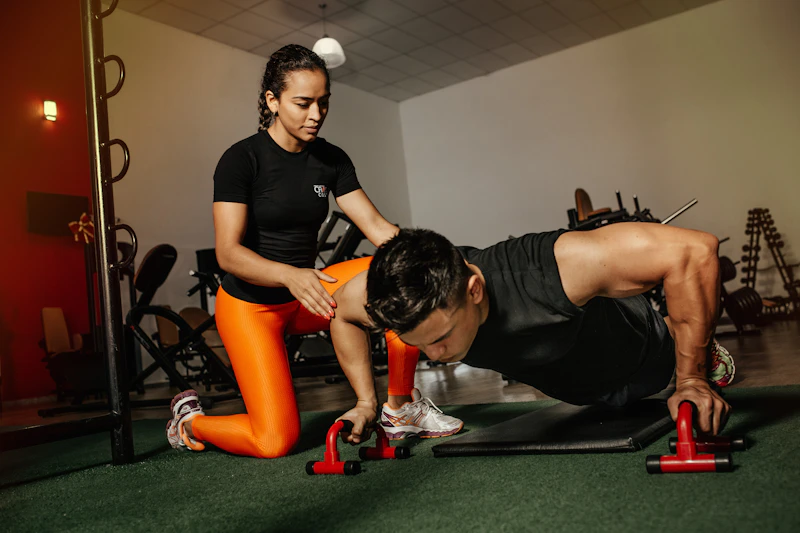
Strength Training for Women Over 50: Building Muscle and Confidence
Discover why lifting weights is the ultimate fountain of youth. Learn how to start a safe, effective strength training routine that builds bone density and metabolism.

Nutrition Secrets: Eating for Energy and Vitality After 50
Your nutritional needs change as you age. Learn how to fuel your body with the right balance of protein, healthy fats, and micronutrients for all-day energy.

Navigating Menopause with Grace and Power
Menopause is frequently framed as a medical condition to be survived. Let's change the conversation and explore how to support your body through this transition.