Medical Disclaimer
This content is for informational purposes only and should not be considered medical advice or diagnosis. Please consult with a healthcare professional for medical advice, diagnosis, or treatment recommendations.
Affiliate Disclosure: This post contains affiliate links. If you click a link and make a purchase, Passion Pursued may earn a commission at no additional cost to you. We only recommend products we genuinely believe in. Thank you for supporting our work.

Walking for Wellness After 50: A Gentle Plan to Get Started
Of all the wellness practices available to us at this chapter of life, walking is the most underrated. It asks nothing of us but a pair of comfortable shoes and a willingness to step outside. There is no membership to join, no skill to master, no equipment to figure out — just you, your breath, and the path ahead.
If the word "exercise" has begun to feel heavy, walking is the gentle doorway back in. It is the movement our bodies were designed for, and it meets us exactly where we are. A slow five-minute stroll counts. A loop around the block counts. The woman who walks for ten minutes today and twenty next month is building the same wellness as the one who hikes for miles — she is simply beginning where her own body allows.
This is a gentle, practical plan for women over 50 who want to start walking for wellness — how to begin safely, build stamina without strain, stay comfortable and motivated, and weave it into a real week. There is no perfection required here. There is only the quiet, powerful act of putting one foot in front of the other.
Why Walking Is Perfect After 50
Walking is one of the most studied, most beneficial forms of movement we have, and its gifts are especially meaningful at midlife. It is low-impact and kind to joints that may be feeling their years. It strengthens the heart, steadies blood sugar, supports healthy weight, and lifts mood in ways that feel almost magical. A brisk walk outdoors can ease anxiety, soften stress, and leave you clearer in your thinking than you were when you set out.
For our bones, walking is a quiet form of weight-bearing exercise — exactly the kind of gentle, consistent stress that encourages bone density over time. If you have read my post on bone density and osteoporosis prevention, you know how much this matters after 50. Walking will not replace strength training, but it partners beautifully with it. My Strength Training for Women Over 50 guide and the beginner-friendly How to Build Strength After 50 walk through the companion practices that, alongside walking, build a body that feels capable and steady for decades to come.
And there is something walking offers that no gym can: time outdoors, under real sky, among real trees. That simple exposure to light and air is one of the most reliable ways to support your energy and your sleep — a connection I explore in Energy and Vitality: The Science Behind Feeling Your Best and Better Sleep for Women Over 50.
Before You Begin: A Few Kind Precautions
If you have been mostly sedentary, or you are managing any health condition, a quick word with your doctor is a wise and caring first step — not a fearful one. Then begin smaller than your pride thinks you should. The most common mistake is starting too big, getting sore, and quitting. We are aiming for the opposite: start so gently that you want to come back tomorrow.
Choose footwear that truly supports you. This is the one place I would never cut corners. A pair of well-fitted, cushioned walking shoes protects your feet, knees, hips, and lower back with every step, and it is the single biggest difference between a walk that feels good and one that leaves you aching. I learned this the hard way, and I now reach for the same supportive pair every single day — the ones I share in my Strength Training Essentials gear guide, because a shoe that supports you through a workout supports you just as well on a walk.
Shop the Supportive Shoes I Walk Inpaid link#ad — Affiliate link. Passion Pursued may earn a commission from purchases made through this link at no extra cost to you.
Beyond shoes, dress in soft, breathable layers you can shed as you warm, and carry a small bottle of water on anything longer than twenty minutes. That is genuinely all you need.
How to Start: Begin Where You Are
The goal of the first week is not distance or speed. It is simply to establish the habit of stepping out. Here is how to begin:
- **Start with ten minutes.** Walk at an easy, conversational pace — the kind where you could still talk to a friend beside you. Ten minutes out, ten minutes back, and you have walked twenty minutes without noticing. - **Walk on flat, even ground at first.** A neighborhood sidewalk, a park path, or a school track are all perfect. Save hills and trails for when your body asks for them. - **Notice your posture.** Stand tall, gaze forward (not down at your feet), let your arms swing naturally, and land gently from heel to toe. Good posture turns a shuffle into a real walk and protects your back and hips. - **Breathe.** Let your breath find its own rhythm. If you feel winded, slow down — walking is not a race, and a slower walk still counts.
Do this two or three times in your first week. That is enough. Your body is waking up to a new rhythm, and the kindest thing you can do is let it adjust without strain.
A Gentle Weekly Walking Plan
This is a realistic, buildable plan — not an ideal one. It assumes real weeks, with tired Tuesdays and busy Saturdays. If a day unravels, simply walk the next. Consistency is not perfection; it is returning.
- **Week 1 — Establish the habit.** Walk 10 to 15 minutes, three times, on flat ground at an easy pace. The only goal is to show up. - **Week 2 — Add a little time.** Walk 15 to 20 minutes, three to four times. Begin to notice your breath and posture settling into a rhythm. - **Week 3 — Build gently.** Walk 20 to 30 minutes, four times. Try one slightly longer walk on a day that feels good. - **Week 4 — Find your stride.** Walk 30 minutes, four to five times. On one walk, pick up the pace a little for a few minutes, then ease back. This gentle interval of faster and slower is a wonderful way to build stamina without strain. - **Week 5 and beyond — Make it yours.** Most healthy women can comfortably aim for about 150 minutes of walking a week — roughly 30 minutes, five days. But this is a guide, not a rule. Some weeks you will walk more, some less. The woman who walks consistently for 20 minutes is far healthier than the one who plans for an hour and never goes.
If you would like a fuller picture of how movement fits into a whole week of self-care, my Fall Wellness Reset for Women Over 50 pairs gentle movement with nourishing meals, better sleep, and calming routines.
Tips for Comfort
A walk should leave you feeling refreshed, not wrecked. A few small habits keep it that way:
- **Warm up for the first five minutes.** Start slowly and let your joints loosen before you find your pace. Think of it as waking your body kindly. - **Cool down at the end.** Spend the last few minutes at a slower pace, then take a moment to stretch your calves, hamstrings, and hips when you get home. - **Hydrate before and after.** As we age, our thirst signals grow quieter, so do not wait until you feel thirsty. A glass of water before you head out and another when you return is a simple, powerful habit. The hydration principles in Nutrition Secrets: Eating for Energy After 50 apply just as much to movement as to meals. - **Listen to your body.** A little muscle tiredness the next day is normal and healthy. Sharp pain in a joint is a signal to ease off, rest, and perhaps shorten your next walk — never something to push through.
Tips for Motivation
The body adapts quickly; the mind takes a little longer. Here is how to keep showing up:
- **Anchor your walk to something you already do.** Walk after your morning coffee, before lunch, or as the light softens in the afternoon. A walk tied to an existing habit is far easier to keep than one that floats freely in the day. My post on Morning Rituals: Designing a Nourishing Day is full of ideas for anchoring small, healthy practices into your routine. - **Make it pleasant, not punishing.** Listen to music, a favorite podcast, or an audiobook you save only for walks. Let the walk be a treat you look forward to, not a chore to endure. - **Walk with someone.** A walking companion turns exercise into connection. Invite a friend, a sister, or a neighbor, and let the walk double as conversation. If you are hoping to build new connections at this chapter of life, a walking group is one of the gentlest ways to do it. - **Track it lightly.** A simple note on the calendar or a gentle fitness tracker can make your progress visible — and visible progress is deeply motivating. Just keep it as encouragement, never as pressure. - **Walk in nature when you can.** A tree-lined path, a park, a lakeside trail — green spaces calm the nervous system in measurable ways. Even a few minutes among trees can shift your whole mood. - **Be kind on the hard days.** Some days you will not want to go. On those days, promise yourself just five minutes. Often, once you are out, five becomes fifteen. And if it stays five, that is still a win.
For the mindset that keeps you returning again and again — through tired weeks and unmotivated days — Building Sustainable Wellness Habits That Last is the companion piece to this plan.
A Gentle Word Before You Step Out
You do not need to be fit to begin walking. Walking is how you become fit. You do not need the right clothes, the right weather, or the right mood. You only need to step outside and begin.
Lace up a pair of shoes that truly support you, choose a direction, and go. Ten minutes today. A little more next week. Before long, you will discover what so many women before you have found — that walking is not just exercise. It is a daily act of care, a moving meditation, a quiet conversation with your own body that says, I am still here, and I am still showing up for myself.
Anything is possible at any age with commitment and persistence — and sometimes it begins with a single, gentle step out the door.

Walking for Wellness After 50
A gentle plan to get started — how to begin, build stamina safely, stay comfortable and motivated, and a realistic weekly routine you can keep.
passionpursued.com
Save this pin to your wellness board
Pin this article so you can come back to it whenever you need a reminder of the power of intentional self-care. Share it with a friend who deserves to feel vibrant and radiant at every age.
The Save button opens Pinterest with the image, link, and description pre-filled — just choose your board and post.
Pinterest save not working? Upload it manually.
If Pinterest says “something went wrong,” you can still pin this article in three quick steps:
- 1.Tap Download Pin above to save the image to your device.
- 2.Copy your article link below — you’ll paste it as the pin’s destination.
- 3.Open Pinterest’s pin builder and upload the image, then paste the link.
https://passionpursued.com/blog/walking-for-wellness-after-50-gentle-plan
Community Thoughts
Share your gratitude or thoughts
Join the conversation and let us know how this post resonated with you.
No comments yet. Be the first to share your thoughts!
Ready to start your transformation?
Join our community of women over 50 who are reclaiming their health, building strength, and proving that anything is possible with commitment and persistence.
More insights to inspire your journey
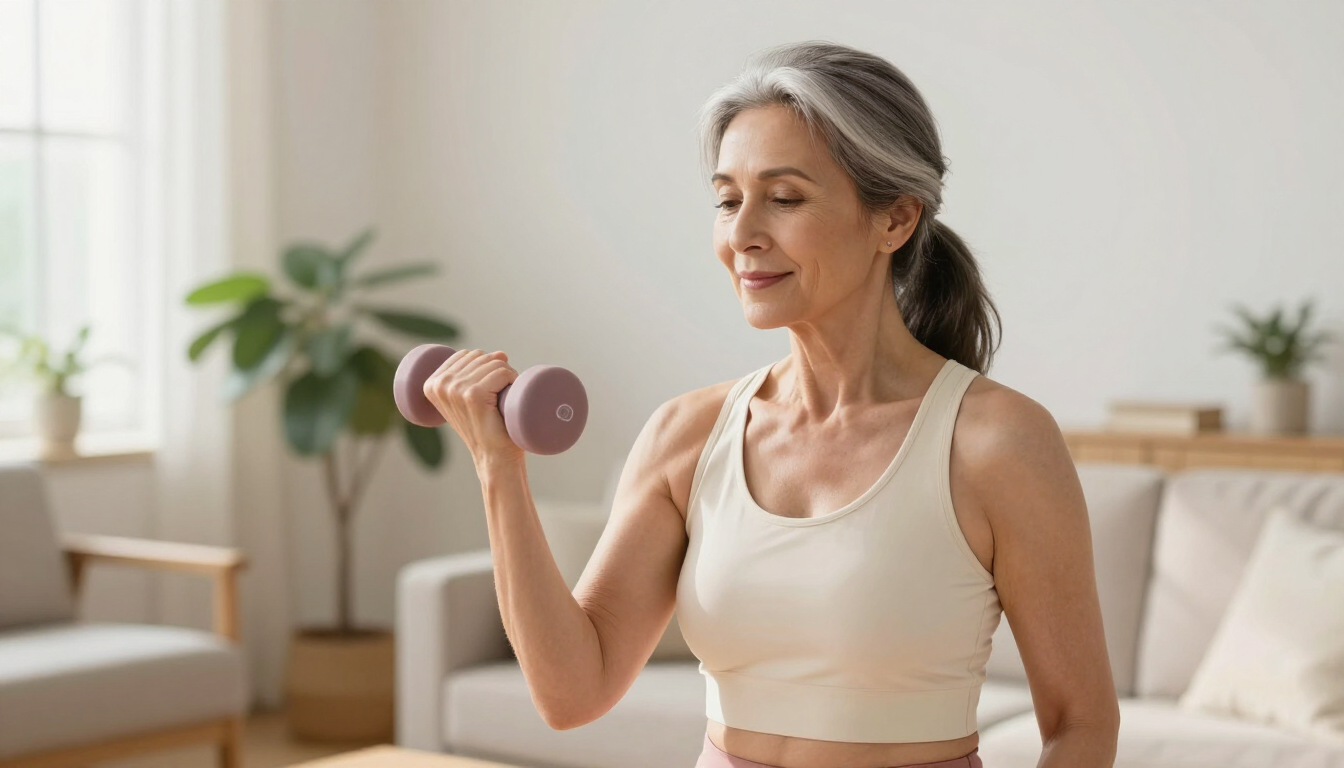
How to Build Strength After 50: A Gentle Beginner’s Guide for Women
A gentle, practical beginner’s guide to building strength after 50 — safe first steps, simple balance exercises, the rest days your body needs, and a realistic weekly routine you can actually keep.
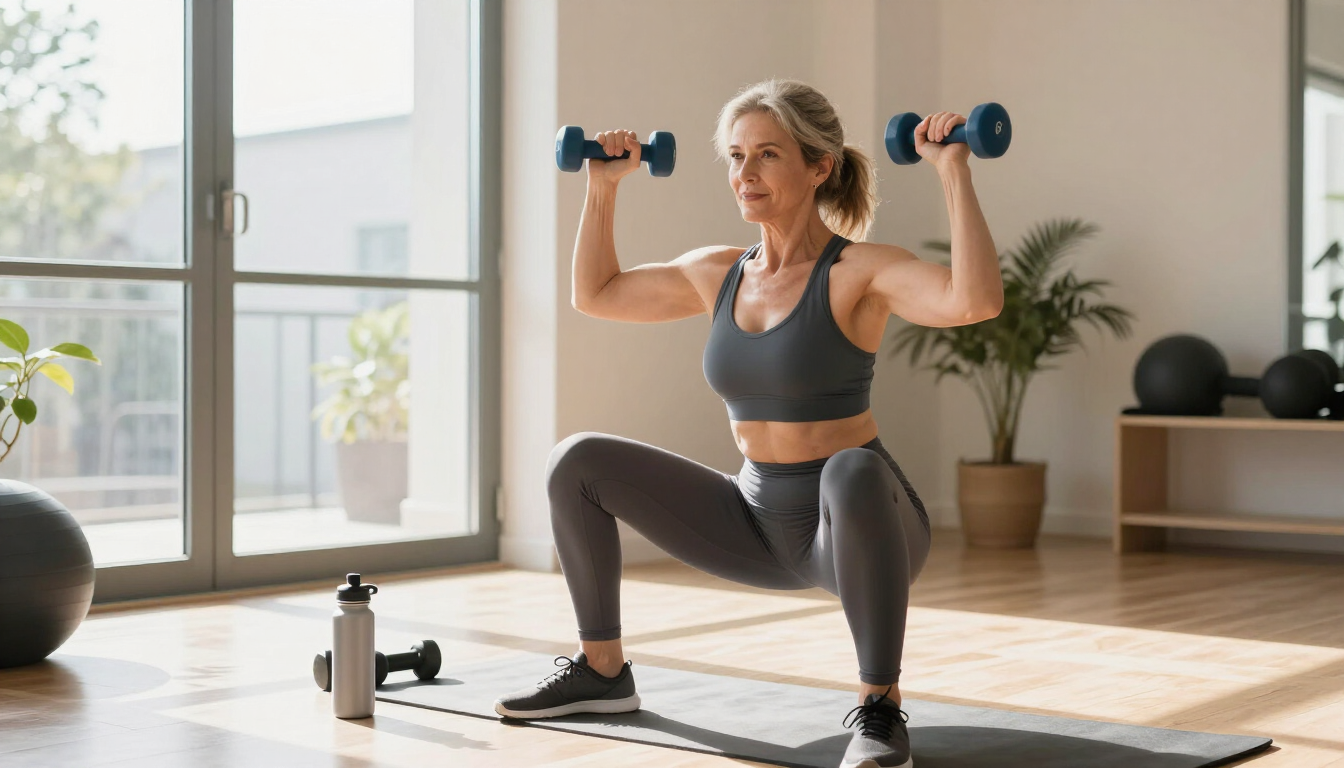
Strength Training Essentials: My Daily Gear Guide
The ten everyday essentials that support my strength training routine, recovery, and vitality after 50 — the exact gear I reach for, with honest recommendations for women building strength.

Bone Density and Osteoporosis Prevention: A Guide for Women's Health
Understanding bone density is crucial for women over 50. Learn about the risk factors for osteoporosis and discover evidence-based prevention strategies to keep your bones strong.
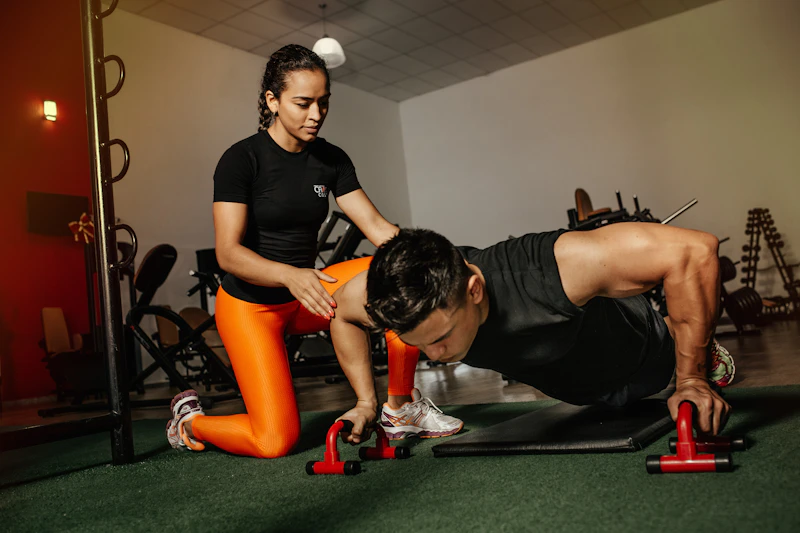
Strength Training for Women Over 50: Building Muscle and Confidence
Discover why lifting weights is the ultimate fountain of youth. Learn how to start a safe, effective strength training routine that builds bone density and metabolism.